
Species · Beginner snake
Boa Constrictor
Boa constrictor
The calm, heavy-bodied giant of the beginner-adjacent snakes — docile, but a powerful, long-lived, room-sized commitment.
Difficulty: Intermediate Printable care sheet →
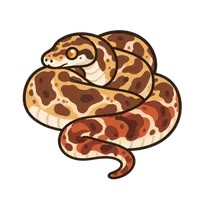
Boa constrictors are the gentle giants of the snake world — heavy-bodied, calm, and famously tolerant of handling, which is why they're so often someone's first "big snake". The care itself is not complicated; it's the scale that catches people out. That adorable hatchling becomes a powerful 6-to-10-foot animal that lives for decades, needs a custom-sized enclosure, and is strong enough that a second pair of hands is wise. Buy for the adult you'll have in five years, not the baby in the shop, and a boa is one of the most rewarding snakes there is.
Worried, or still setting up? Free tools
Or browse common Boa Constrictor questions →
Care at a glance
| Adult size | Commonly 5–8 ft (subspecies-dependent); females larger, and giants reach 10–12 ft |
|---|---|
| Lifespan | Up to 30 years with good care — a genuine multi-decade commitment |
| Enclosure | Sized to the snake (rule of thumb: length × ½ length × ½ length). An adult of 6–8 ft needs a minimum 6×3×3 ft; a large adult over 8 ft needs 8×4×4 ft. They are SEMI-ARBOREAL, so give real height and sturdy branches as well as floor space. Large enclosures are hard to buy — many keepers build their own. House ONE. |
| Basking / warm zone | Warm/basking surface 86–90°F (30–32°C) from an overhead heat source — a ≥2-bulb halogen cluster over a proper-size enclosure heats a big coiled body far better than a single bulb or a heat mat. |
| Cool side | Cool end 75–80°F (24–26°C), for an overall 75–90°F thermal gradient the snake can move through. |
| Night | Night can fall to about 68°F (20°C). Boas benefit from a seasonal cool-down even if you never breed — a cooler, shorter-day winter (down to ~75–78°F) is natural for them. |
| UVB & lighting | UVB is beneficial (increasingly recommended, though not strictly required): a T5 HO bulb (Arcadia 6%) giving UVI 2.0–3.0 at the basking spot, at the correct Ferguson-zone distance. Replace every 12 months. |
| Humidity | Ambient 55–75%, rising to 75–85% during a shed for a clean, one-piece slough. Mix water into a deep substrate (don’t just pour) or use a cool-mist fogger; avoid a chronically wet, stale enclosure. |
| Substrate | A moisture-holding mix at least 2–3 in deep (deeper is better) — a topsoil / coconut-fibre / play-sand blend holds humidity and lets them burrow, which they occasionally do. Never cedar or pine (toxic oils). |
| Diet | Carnivore fed whole prey — appropriately-sized frozen/thawed rodents (and, for variety, the occasional chick or quail). Boas are NOT stretchy like pythons: a correct meal leaves only a subtle lump, and oversized prey causes dangerous regurgitation. Feed on an infrequent, varied schedule and adjust to body condition — slow feeding is linked to boa longevity, and power-feeding causes obesity. |
| Supplements | A whole-prey diet is largely complete, but because feeder rodents can be nutrient-poor, lightly dust prey with a calcium/multivitamin now and then. Replace supplements every 6 months (the vitamins degrade). |
🦎 Did you know? — Boa Constrictor fun facts
Little true delights about the boa constrictor — each one checked against a named source, no pet-shop myths.
- Boa constrictors don’t lay eggs — they give birth to live young, with an average litter of around 25 (and sometimes far more). Animal Diversity Web
- Unlike most snakes, which have one reduced lung, boa constrictors keep two fully functional lungs. Animal Diversity Web
- Boa constrictors lack the heat-sensing facial pits found in many boas and pythons, so they’re thought to have no specialised infrared sense. Animal Diversity Web
What it's like to live with a Boa Constrictor
A boa constrictor is a calm, deliberate, heavy animal — a world away from a fast, flighty colubrid. A settled boa is confident and slow-moving, tolerates regular handling well, and rarely bites once it knows you. The honest part is the physicality: an adult is a genuinely powerful, muscular snake, and while it is not aggressive, its size means feeding is done with tongs and handling a large one is a two-person job. This is a long, rewarding relationship with an intelligent, personable snake — as long as you went in planning for the adult, not the hatchling.
Your first month together
The settling-in period, in order — so you know what's normal and when not to worry.
- Plan for the adult from the start — a baby can live in a large adult enclosure as long as it is packed with hides and cover so it feels secure.
- Leave a new boa alone for the first week or two, and feed it in its enclosure before you begin any handling.
- Feed with soft-tipped tongs, never your hand — a feeding-response bite from even a young boa is easy to trigger and worse as it grows.
- Do not handle for ~48 hours after a meal, and keep prey modestly sized so it settles rather than regurgitates.
- Track weight and body condition, not the calendar — infrequent, slow feeding is healthy and normal for a boa.
Through the year, and as they grow
Boas have a natural seasonal rhythm: appetite and activity dip in cooler, darker months, and many keepers give a deliberate winter cool-down (shorter days, temperatures down to ~75–78°F) even with no intention of breeding, because it mirrors their wild year. Feed slowly and judge by body condition rather than a fixed meal count — a boa that skips meals in winter is usually just being a boa.
The pet store gets these wrong
Common myths, kindly corrected — no shame for having believed them.
- A "red-tailed boa" stays a manageable size — no; it becomes a 6–10 ft, powerful, heavy-bodied snake.
- Feed it as much as it will take — no; power-feeding causes obesity, and oversized prey causes dangerous regurgitation. Slow feeding aids longevity.
- A big glass tank is enough — an adult needs a 6×3×3 to 8×4×4 ft enclosure, and it climbs, so height matters.
- Boas don’t need UVB — outdated; UVB is increasingly recognised as beneficial for long-term health.
- It’ll shed fine in dry air — no; it needs 55–75% humidity, rising higher during a shed.
Before you buy
- Space for a custom 6×3×3 to 8×4×4 ft enclosure with height and branches — be prepared to build your own.
- Comfort feeding frozen/thawed prey up to rabbit-size, always with tongs, never live.
- Readiness for a strong adult — a large boa is a two-person animal for handling.
- A ~30-year commitment, and an exotics/reptile vet who treats large snakes.
💷 The boa constrictor itself is usually the cheapest part — see the real cost of keeping one (upfront + ongoing, no sales pitch).
See a reptile vet if…
We can't diagnose from afar — but these are the signs to stop watching and get a professional:
- Open-mouth breathing, wheezing, clicking, or mucus/bubbles (possible respiratory infection — common in boas kept too cool or damp-stale).
- Regurgitating meals (often from prey that is too large, handling too soon after feeding, or temps too low).
- Chronic "stargazing", corkscrewing, or an inability to right itself, especially with regurgitation and wasting (possible Inclusion Body Disease — a serious viral illness boas are known carriers of).
- Repeated stuck sheds or retained eye caps despite correct humidity; cheesy matter in the mouth (mouth rot); or mites (tiny moving dots).
- Obvious obesity (spread scales, no taper) from overfeeding, or any tissue protruding from the vent (prolapse).
Heading in? Print the free Boa Constrictor vet-prep sheet — what to bring, what to tell the vet, and the questions to ask.
Never
- Never feed live rodents — a live rat can badly injure or kill your snake; use frozen/thawed with tongs.
- Never feed oversized prey — boas aren’t stretchy, and it causes regurgitation or organ damage.
- Never house two boas together.
- Never handle for ~48 hours after a meal (risk of regurgitation), and never hand-feed a large boa.
- Never underestimate an adult’s strength — handle a big boa with a second person.
Common boa constrictor questions
How hard are Boa Constrictors to keep — are they good for beginners?
Intermediate. Docile and hardy — the calmest of the big snakes — but it uses the same care as a corn or ball python scaled up hugely. Expect a room-sized enclosure, a strong adult that warrants two-person handling, and a 30-year commitment. Easy temperament, big-animal logistics.
What do Boa Constrictors eat?
Carnivore fed whole prey — appropriately-sized frozen/thawed rodents (and, for variety, the occasional chick or quail). Boas are NOT stretchy like pythons: a correct meal leaves only a subtle lump, and oversized prey causes dangerous regurgitation. Feed on an infrequent, varied schedule and adjust to body condition — slow feeding is linked to boa longevity, and power-feeding causes obesity.
How big an enclosure do Boa Constrictors need?
Sized to the snake (rule of thumb: length × ½ length × ½ length). An adult of 6–8 ft needs a minimum 6×3×3 ft; a large adult over 8 ft needs 8×4×4 ft. They are SEMI-ARBOREAL, so give real height and sturdy branches as well as floor space. Large enclosures are hard to buy — many keepers build their own. House ONE.
What basking temperature do Boa Constrictors need?
Warm/basking surface 86–90°F (30–32°C) from an overhead heat source — a ≥2-bulb halogen cluster over a proper-size enclosure heats a big coiled body far better than a single bulb or a heat mat.
What should the cool side be for Boa Constrictors?
Cool end 75–80°F (24–26°C), for an overall 75–90°F thermal gradient the snake can move through.
What night-time temperature do Boa Constrictors need?
Night can fall to about 68°F (20°C). Boas benefit from a seasonal cool-down even if you never breed — a cooler, shorter-day winter (down to ~75–78°F) is natural for them.
What UVB and lighting do Boa Constrictors need?
UVB is beneficial (increasingly recommended, though not strictly required): a T5 HO bulb (Arcadia 6%) giving UVI 2.0–3.0 at the basking spot, at the correct Ferguson-zone distance. Replace every 12 months.
What humidity do Boa Constrictors need?
Ambient 55–75%, rising to 75–85% during a shed for a clean, one-piece slough. Mix water into a deep substrate (don’t just pour) or use a cool-mist fogger; avoid a chronically wet, stale enclosure.
What substrate do Boa Constrictors need?
A moisture-holding mix at least 2–3 in deep (deeper is better) — a topsoil / coconut-fibre / play-sand blend holds humidity and lets them burrow, which they occasionally do. Never cedar or pine (toxic oils).
What supplements do Boa Constrictors need?
A whole-prey diet is largely complete, but because feeder rodents can be nutrient-poor, lightly dust prey with a calcium/multivitamin now and then. Replace supplements every 6 months (the vitamins degrade).
How big do Boa Constrictors get?
Commonly 5–8 ft (subspecies-dependent); females larger, and giants reach 10–12 ft
How long do Boa Constrictors live?
Up to 30 years with good care — a genuine multi-decade commitment
What are the signs Boa Constrictors are sick or need a vet?
See a reptile or exotics vet if you notice: Open-mouth breathing, wheezing, clicking, or mucus/bubbles (possible respiratory infection — common in boas kept too cool or damp-stale).; Regurgitating meals (often from prey that is too large, handling too soon after feeding, or temps too low).; Chronic "stargazing", corkscrewing, or an inability to right itself, especially with regurgitation and wasting (possible Inclusion Body Disease — a serious viral illness boas are known carriers of).; Repeated stuck sheds or retained eye caps despite correct humidity; cheesy matter in the mouth (mouth rot); or mites (tiny moving dots).; Obvious obesity (spread scales, no taper) from overfeeding, or any tissue protruding from the vent (prolapse)..
Your first two weeks · Taming & handling · Behaviours explained · Won't eat? · Stuck shed · When to see a vet

Get the free Boa Constrictor Starter Kit
A one-page setup criteria checklist and a first-30-days plan for your first boa constrictor — what to get, what makes each thing matter, and the honest bits the pet shop skips. Join the den and we’ll send it over.
Free reptile care cheat-sheet the moment you join. No spam — unsubscribe anytime. See how we handle your data in our privacy notice.Sources & further reading
This guide was written and fact-checked against these authorities. It's kind, general guidance — not a diagnosis or a substitute for an exotics vet:
- ReptiFiles — Boa Constrictor Care — Enclosure by length (adult 6–8 ft → 6×3×3 ft, large adult >8 ft → 8×4×4 ft), semi-arboreal; basking 86–90°F / cool 75–80°F / night to 68°F; UVI 2.0–3.0 (Arcadia 6%); humidity 55–75% (75–85% in shed); substrate ≥2–3″ topsoil/coco/sand; whole-prey carnivore, modest prey (subtle lump), slow feeding; 5–8 ft (giants 10–12 ft), up to 30 yr, house solo.
- Association of Reptilian & Amphibian Veterinarians (ARAV) — Find-an-exotics-vet; respiratory infection, mouth rot, Inclusion Body Disease, mites.
- Merck Veterinary Manual — reptiles — Respiratory infection, Inclusion Body Disease (arenavirus, boid snakes), regurgitation, dysecdysis, obesity.
Written and fact-checked by The Baskden Team against veterinarian-authored sources — if your reptile shows a red-flag sign above, see an exotics vet promptly.