
Species · Chameleon
Pygmy Chameleon
Rieppeleon brevicaudatus
A thumb-sized leaf chameleon that plays dead like a fallen leaf — delicate, short-lived and hands-off.
Difficulty: Intermediate Printable care sheet →
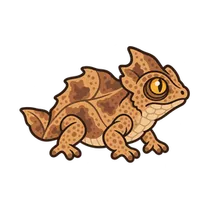
The pygmy chameleon is a thumb-sized forest-floor chameleon from the mountain forests of Tanzania and Kenya — not a tree-climber like a veiled or panther, but a leaf-litter hunter that mimics a dead leaf when it sleeps. They're one of the few chameleons you can (carefully) keep as a small group, and they don't need blazing lights or towering cages. What they do need is cool, humid, hands-off stability. Think of them as a living terrarium display, not a pet you pick up.
Worried, or still setting up? Free tools
Or browse common Pygmy Chameleon questions →
Care at a glance
| Adult size | Tiny — about 3–3.5 inches (8–9 cm) total length, one of the smallest chameleons in the world. |
|---|---|
| Lifespan | Often cited as 1–3 years, but that low figure largely reflects wild-caught, stressed, or overheated animals. With cool temps, steady humidity, and a settled captive-bred animal, 3–5+ years (up to ~6) is realistic. |
| Enclosure | Minimum ~18" x 18" x 18" (a front-opening, well-ventilated glass or PVC terrarium — NOT a tall full-screen chameleon cage). Because they're floor-dwellers they value floor space and dense low planting over height. Add ~5 gallons of space per extra animal if group-housing. |
| Basking / warm zone | No traditional hot basking spot. If used at all, a low-wattage plant/heat lamp should keep the warmest point around 77–80°F (25–27°C) — never higher. In a normal room these often need no heat lamp at all. |
| Cool side | Ambient/shaded areas ~68–75°F (20–24°C). They live in cool tropical understory, so a big hot-to-cold gradient isn't the goal — even, moderate temps are. |
| Night | A natural night drop to ~58–65°F (14–18°C) is fine and welcome; room-temperature nights are ideal. |
| UVB & lighting | Low-intensity UVB is recommended for long-term health. Use a low-output linear tube such as an Arcadia ShadeDweller or Zoo Med T8 Reptisun 5.0, positioned so the animal can't get closer than ~6 inches to the bulb; heavy planting lets them self-regulate. Run ~12 hours a day and provide plenty of shade — these are shade-dwelling forest-floor animals, not sun-baskers. |
| Humidity | High and steady: roughly 60–80% by day, rising to 80–100% at night. Achieve it with several light mistings a day and live plants — always paired with good ventilation so it never goes stagnant. |
| Substrate | A deep, moisture-holding, well-draining substrate — at least ~3 inches of organic soil (e.g. coir/ReptiSoil/plantation soil) topped with clean, chemical-free leaf litter. This holds humidity, supports live plants, and mimics the forest floor they hunt on. Bioactive with a springtail/isopod cleanup crew works well. |
| Diet | Strict insectivore. Small feeders sized smaller than the head — 1/8"–1/4" crickets, flightless/fruit flies, small roaches (dubia/discoid), plus baby silkworms and hornworms. Gut-load and hydrate feeders well. Adults: about 4–6 small crickets every other day; babies and juveniles eat more, more often. |
| Supplements | Dust feeders with a plain calcium (no D3, no phosphorus) at most feedings; add a multivitamin roughly monthly and a calcium-with-D3 lightly and occasionally (about monthly). An all-in-one like Repashy Calcium Plus LoD or Arcadia EarthPro simplifies this. Don't over-supplement D3/vitamin A. |
What it's like to live with a Pygmy Chameleon
One of the rare chameleons that can be group-housed — but never more than one male per enclosure (males fight and injure each other), and only with enough space and multiple sightlines. Solo, a male-female pair, or one male with a few females can work in a well-planted setup; watch for stress, chronic breeding, or a bullied individual and be ready to separate.
Your first month together
The settling-in period, in order — so you know what's normal and when not to worry.
- Buy captive-bred if at all possible — most in the trade are wild-caught, dehydrated, and often carrying parasites.
- Have the terrarium fully planted, misted, and holding 60–80% humidity BEFORE the animal arrives.
- Check room temperature obsessively for the first weeks — anything creeping toward 80°F/26°C is an emergency; a cool room is safer than a warm one.
- Offer small, well-hydrated feeders and watch that it's actively hunting within the first day or two.
- Mist so water beads on the leaves — they drink droplets, so you should see it lapping mist off foliage.
- Leave it alone. No handling. Let it settle and observe from outside the glass.
- Get a fresh fecal exam done by an exotics vet early, especially for a wild-caught animal.
Through the year, and as they grow
Summer heat is the number-one killer — plan cooling (AC, a cooler room, fans for airflow, extra misting) before hot weather hits, since sustained temps over 80°F/26°C are lethal. A gentle winter dip in temperature and daylight hours is natural and can even encourage breeding; just keep humidity up as indoor heating dries the air.
The pet store gets these wrong
Common myths, kindly corrected — no shame for having believed them.
- "Chameleons need tall screen cages." Not this one — pygmies are ground-dwellers, so floor space and dense low cover matter more than height, and a well-ventilated glass/PVC terrarium holds the humidity they need better than full mesh.
- "They only live a year or two." That short lifespan usually means wild-caught, overheated, or dehydrated animals. Kept cool, humid, and stress-free, they can reach 5–6 years.
- "Tiny and cheap means beginner-friendly." They're actually delicate and heat-sensitive — a genuinely intermediate keeper's animal.
- "Chameleons don't need UVB if you supplement." Low-level UVB still supports their long-term health; they're shade-dwellers, not sun-avoiders.
- "Give them a water bowl." They won't use a bowl — they drink moving droplets off leaves, so you hydrate them by misting.
Before you buy
- Can you keep the room reliably BELOW 80°F/26°C year-round, including summer? If not, this isn't your animal.
- Are you okay with a look-don't-touch pet? They're stressed by handling.
- Can you commit to misting and humidity checks every single day?
- Will you feed live insects (and keep a feeder culture) indefinitely?
- Can you find a captive-bred source rather than a cheap wild-caught import?
- Do you have an exotics vet within reach for a parasite screen and emergencies?
💷 The pygmy chameleon itself is usually the cheapest part — see the real cost of keeping one (upfront + ongoing, no sales pitch).
See a reptile vet if…
We can't diagnose from afar — but these are the signs to stop watching and get a professional:
- Sunken eyes, wrinkled skin, or lethargy — signs of dehydration; see an exotics vet promptly.
- Not eating for several days, or visible weight/muscle loss along the spine and tail base.
- Runny, bloody, or worm-visible droppings — common in wild-caught animals; get a fecal exam.
- Eyes kept closed during the day, gaping, or labored breathing — possible infection or overheating.
- Swollen limbs, jaw, or a rubbery jaw, or trembling — possible metabolic bone disease; needs a vet.
- A female straining, staying on the floor, or bloated and unable to lay eggs (dystocia) — an emergency.
- Any animal that stopped moving or is limp after a hot spell — treat suspected overheating as urgent.
Heading in? Print the free Pygmy Chameleon vet-prep sheet — what to bring, what to tell the vet, and the questions to ask.
Never
- Never let temperatures exceed ~80°F/26°C — heat stress is the most common cause of death.
- Never handle them for fun; routine handling causes real stress.
- Never rely on a water bowl for hydration — they drink droplets off leaves.
- Never house two males together — they fight and injure each other.
- Never let the enclosure go stagnant; humid + no airflow breeds respiratory and fungal problems.
- Never assume a bargain wild-caught animal is healthy — assume parasites and dehydration until a vet clears it.
- Never use a high-output desert UVB bulb or a hot basking lamp meant for veiled/panther chameleons.
Common pygmy chameleon questions
How hard are Pygmy Chameleons to keep — are they good for beginners?
Intermediate. They look like a beginner pet because they're tiny and cheap, but they're the opposite. Pygmies are heat-sensitive (over 80°F/26°C can kill them), need constant humidity, eat only live insects, and don't want to be handled. Get the room temperature and misting rhythm right and they're rewarding — get it wrong and they fade fast. Most are still wild-caught, which stacks the deck against a new keeper.
What do Pygmy Chameleons eat?
Strict insectivore. Small feeders sized smaller than the head — 1/8"–1/4" crickets, flightless/fruit flies, small roaches (dubia/discoid), plus baby silkworms and hornworms. Gut-load and hydrate feeders well. Adults: about 4–6 small crickets every other day; babies and juveniles eat more, more often.
How big an enclosure do Pygmy Chameleons need?
Minimum ~18" x 18" x 18" (a front-opening, well-ventilated glass or PVC terrarium — NOT a tall full-screen chameleon cage). Because they're floor-dwellers they value floor space and dense low planting over height. Add ~5 gallons of space per extra animal if group-housing.
What basking temperature do Pygmy Chameleons need?
No traditional hot basking spot. If used at all, a low-wattage plant/heat lamp should keep the warmest point around 77–80°F (25–27°C) — never higher. In a normal room these often need no heat lamp at all.
What should the cool side be for Pygmy Chameleons?
Ambient/shaded areas ~68–75°F (20–24°C). They live in cool tropical understory, so a big hot-to-cold gradient isn't the goal — even, moderate temps are.
What night-time temperature do Pygmy Chameleons need?
A natural night drop to ~58–65°F (14–18°C) is fine and welcome; room-temperature nights are ideal.
What UVB and lighting do Pygmy Chameleons need?
Low-intensity UVB is recommended for long-term health. Use a low-output linear tube such as an Arcadia ShadeDweller or Zoo Med T8 Reptisun 5.0, positioned so the animal can't get closer than ~6 inches to the bulb; heavy planting lets them self-regulate. Run ~12 hours a day and provide plenty of shade — these are shade-dwelling forest-floor animals, not sun-baskers.
What humidity do Pygmy Chameleons need?
High and steady: roughly 60–80% by day, rising to 80–100% at night. Achieve it with several light mistings a day and live plants — always paired with good ventilation so it never goes stagnant.
What substrate do Pygmy Chameleons need?
A deep, moisture-holding, well-draining substrate — at least ~3 inches of organic soil (e.g. coir/ReptiSoil/plantation soil) topped with clean, chemical-free leaf litter. This holds humidity, supports live plants, and mimics the forest floor they hunt on. Bioactive with a springtail/isopod cleanup crew works well.
What supplements do Pygmy Chameleons need?
Dust feeders with a plain calcium (no D3, no phosphorus) at most feedings; add a multivitamin roughly monthly and a calcium-with-D3 lightly and occasionally (about monthly). An all-in-one like Repashy Calcium Plus LoD or Arcadia EarthPro simplifies this. Don't over-supplement D3/vitamin A.
How big do Pygmy Chameleons get?
Tiny — about 3–3.5 inches (8–9 cm) total length, one of the smallest chameleons in the world.
How long do Pygmy Chameleons live?
Often cited as 1–3 years, but that low figure largely reflects wild-caught, stressed, or overheated animals. With cool temps, steady humidity, and a settled captive-bred animal, 3–5+ years (up to ~6) is realistic.
What are the signs Pygmy Chameleons are sick or need a vet?
See a reptile or exotics vet if you notice: Sunken eyes, wrinkled skin, or lethargy — signs of dehydration; see an exotics vet promptly.; Not eating for several days, or visible weight/muscle loss along the spine and tail base.; Runny, bloody, or worm-visible droppings — common in wild-caught animals; get a fecal exam.; Eyes kept closed during the day, gaping, or labored breathing — possible infection or overheating.; Swollen limbs, jaw, or a rubbery jaw, or trembling — possible metabolic bone disease; needs a vet.; A female straining, staying on the floor, or bloated and unable to lay eggs (dystocia) — an emergency.; Any animal that stopped moving or is limp after a hot spell — treat suspected overheating as urgent..
Your first two weeks · Taming & handling · Behaviours explained · Won't eat? · Stuck shed · When to see a vet

Get the free Pygmy Chameleon Starter Kit
A one-page setup criteria checklist and a first-30-days plan for your first pygmy chameleon — what to get, what makes each thing matter, and the honest bits the pet shop skips. Join the den and we’ll send it over.
Free reptile care cheat-sheet the moment you join. No spam — unsubscribe anytime. See how we handle your data in our privacy notice.Sources & further reading
This guide was written and fact-checked against these authorities. It's kind, general guidance — not a diagnosis or a substitute for an exotics vet:
- Dubia.com — Pygmy Chameleon Care Sheet — Size 3–3.5in, ambient 60–78°F, >80°F lethal, humidity 60–80%, supplements schedule, group housing one male max, drinks droplets, hands-off.
- Reptile Supply — How to Care for Your Pygmy Chameleon — Modern setup: 18x18x18 ventilated glass/PVC, ambient 68–75°F, night 58–65°F, never above 80°F, low-intensity UVB (ShadeDweller/T8 5.0 at 6in), humidity 60–80% day/80–100% night, 3in substrate, +5 gal per extra animal.
- Chameleon Forums — Pygmy Chameleon Care Sheet — Keeper-community sheet: floor-dwellers, room-temp 70s, fluorescent (low-heat) lighting, several mistings/day, live-plant humidity, groups with one male.
- Wikipedia — Rieppeleon brevicaudatus — Taxonomy (family Chamaeleonidae, Matschie 1892), ~3in adult size, native Usambara/Uluguru Mts Tanzania & Kenya, dead-leaf mimicry, CITES Appendix II / IUCN Least Concern.
- World Land Trust — Bearded Pygmy Chameleon — Natural history: leafy forest-floor and low-bush hunter in submontane/coastal/lowland forest, cool tropical understory, ~8cm body, insectivore.
Written and fact-checked by The Baskden Team against veterinarian-authored sources — if your reptile shows a red-flag sign above, see an exotics vet promptly.