
Species · Beginner snake
Rat Snake
Pantherophis obsoletus
A large, active climbing colubrid — hardy and rewarding, but a strong snake that gets well over a metre.
Difficulty: Beginner Printable care sheet →
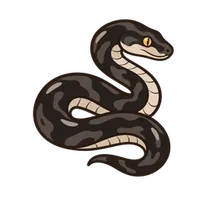
If you want a big, personable, easy-to-keep snake without stepping up to a boa or python, the rat snake is one of the best beginner picks out there. They're alert, curious, climb like champions, and take frozen-thawed rodents without fuss. The honest catch is that "big" is not a marketing word here: a healthy adult is 3.5 to 6 feet and needs real floor space plus a lid it can't muscle open. Give it that and you've got a hardy companion that can share your life for well over 15 years.
Worried, or still setting up? Free tools
Or browse common Rat Snake questions →
Care at a glance
| Adult size | 3.5–6 ft (1.1–1.8 m) is typical, with large individuals reaching ~8.5 ft (2.6 m). A long, powerful colubrid — plan enclosure space for a snake well over a metre. |
|---|---|
| Lifespan | 15+ years in captivity; well-kept individuals have lived 16 to nearly 34 years. |
| Enclosure | Minimum for one adult is 6'L x 3'W x 3'H (about 180 x 90 x 90 cm) of floor space — bigger is always better. Because rat snakes are strong climbers, height and branches are used, and a tightly locking, escape-proof lid is non-negotiable. |
| Basking / warm zone | Warm hotspot 85–90°F (29–32°C), created with an overhead heat source on a thermostat. |
| Cool side | 72–77°F (22–25°C) at the cool end, giving the snake a full thermal gradient to choose from. |
| Night | Turn heat off at night and let the enclosure cool to normal room temperature (roughly 70–75°F / 21–24°C is fine); no night heat is needed unless your room drops below the low 60s°F. |
| UVB & lighting | Low-need, not no-need. Rat snakes can survive without UVB, but modern best practice is a low-output UVB tube because it supports better welfare and D3/calcium metabolism. A T5 HO 5–6% bulb (Zoo Med Reptisun 5.0 or Arcadia Forest 6%) aimed at the basking zone for a UVI of about 2.0–3.0, mounted ~12–14 inches above the snake with no mesh blocking it. |
| Humidity | Average 50–70%, measured with a digital probe hygrometer placed in the middle of the enclosure. A brief bump toward the higher end helps during shed. |
| Substrate | A loose, moisture-holding substrate about 4 inches (10 cm) deep for burrowing — soil-based mixes or plantation soil work well. Aspen or cypress mulch are also common. Avoid cedar and pine, which give off harmful oils. |
| Diet | Strict carnivore: appropriately sized frozen-thawed rodents (mice graduating to rats as the snake grows). Feed adults roughly every 7–14 days; juveniles every 5–7 days. Prey should be no wider than about 1–1.5x the thickest part of the snake's body. |
| Supplements | A varied whole-prey rodent diet is nutritionally complete, so routine dusting isn't usually required. If you keep UVB modest or absent, a light occasional calcium-with-D3 dust on prey is a reasonable insurance policy — ask your exotics vet what fits your setup. |
What it's like to live with a Rat Snake
House rat snakes alone. Like most colubrids they are solitary, and cohabiting risks stress, competition over hides and warmth, and the real danger of one snake eating the other. One snake, one enclosure.
Your first month together
The settling-in period, in order — so you know what's normal and when not to worry.
- Set the enclosure up and run it empty for a few days first — confirm the warm side hits 85–90°F, the cool side sits 72–77°F, and humidity holds 50–70% before the snake arrives.
- Provide at least two snug hides, one on the warm end and one on the cool end, plus sturdy branches to climb.
- Let a new snake settle for about a week before the first feeding attempt, and keep handling to a minimum at first.
- Offer the first meal as a properly sized frozen-thawed rodent; if it refuses, wait several days and try again rather than force it.
- Double-check the lid latches every single time — rat snakes are notorious escape artists and will test any gap.
Through the year, and as they grow
Rat snakes may naturally slow down and eat less in cooler, shorter-day months. A mild seasonal dip in appetite is normal, but only if temperatures, weight, and behavior are otherwise good — always rule out a husbandry problem (a too-cool warm side slows digestion) before assuming it's just the season. Some keepers cool them deliberately for breeding, which is an advanced step.
The pet store gets these wrong
Common myths, kindly corrected — no shame for having believed them.
- "They only need a 40-gallon tank." A 40-gallon may suit a juvenile, but a full-grown rat snake needs about 6'L x 3'W x 3'H of floor space — plan for the adult, not the hatchling.
- "Snakes don't need UVB." Rat snakes can survive without it, but a low-output UVB tube is now considered a welfare upgrade, not a waste — modern care leans toward providing it.
- "It's just a ground snake." Rat snakes are semi-arboreal and excellent climbers and swimmers; give them height and branches, not just a flat floor.
- "Two can live together for company." They're solitary and cohabiting causes stress and can end in cannibalism — always keep them singly.
Before you buy
- This is a large snake — a 6-foot adult needs a 6-foot enclosure and a genuinely secure, lockable lid.
- They're strong, agile escape artists; any weak latch or gap will eventually be found.
- You'll be feeding frozen-thawed rodents for the animal's whole life, so be comfortable storing and handling them.
- This is a 15-to-30-year commitment; plan for who cares for the snake if your circumstances change.
- Locate a reptile-experienced (exotics) vet before you bring the snake home, not after something goes wrong.
💷 The rat snake itself is usually the cheapest part — see the real cost of keeping one (upfront + ongoing, no sales pitch).
See a reptile vet if…
We can't diagnose from afar — but these are the signs to stop watching and get a professional:
- Open-mouth breathing, wheezing, clicking or gurgling sounds, or bubbles/mucus around the mouth or nostrils — possible respiratory infection; see an exotics vet promptly.
- Redness, swelling, cheesy discharge, or pinpoint bleeding around the mouth/gums — possible mouth rot (infectious stomatitis); needs a vet.
- Repeated incomplete sheds or retained eye caps (spectacles) — often a humidity/husbandry issue that can trap infection; get it addressed.
- Tiny moving black or red dots on the snake or in the water bowl — snake mites; treat and see a vet if it persists.
- Prolonged refusal to eat with weight loss, lethargy, or a visibly thinning body — have an exotics vet rule out illness before assuming it's seasonal.
Heading in? Print the free Rat Snake vet-prep sheet — what to bring, what to tell the vet, and the questions to ask.
Never
- Never house two rat snakes together — they're solitary and may cannibalize each other.
- Never use cedar or pine shavings; their aromatic oils are harmful to snakes.
- Never feed live rodents when frozen-thawed will do — a live rat can badly bite or injure your snake.
- Never trust a loose or unlatched lid; rat snakes escape through any gap.
- Never handle for at least 48 hours after a meal — it can cause regurgitation.
Common rat snake questions
How hard are Rat Snakes to keep — are they good for beginners?
Beginner. Hardy, forgiving, and eats readily, which makes rat snakes a genuinely good first big colubrid. The one catch is size: adults are long, strong, semi-arboreal escape artists, so you need a properly large, well-secured enclosure and a steady hand. Get the space and the lid right and the rest is easy.
What do Rat Snakes eat?
Strict carnivore: appropriately sized frozen-thawed rodents (mice graduating to rats as the snake grows). Feed adults roughly every 7–14 days; juveniles every 5–7 days. Prey should be no wider than about 1–1.5x the thickest part of the snake's body.
How big an enclosure do Rat Snakes need?
Minimum for one adult is 6'L x 3'W x 3'H (about 180 x 90 x 90 cm) of floor space — bigger is always better. Because rat snakes are strong climbers, height and branches are used, and a tightly locking, escape-proof lid is non-negotiable.
What basking temperature do Rat Snakes need?
Warm hotspot 85–90°F (29–32°C), created with an overhead heat source on a thermostat.
What should the cool side be for Rat Snakes?
72–77°F (22–25°C) at the cool end, giving the snake a full thermal gradient to choose from.
What night-time temperature do Rat Snakes need?
Turn heat off at night and let the enclosure cool to normal room temperature (roughly 70–75°F / 21–24°C is fine); no night heat is needed unless your room drops below the low 60s°F.
What UVB and lighting do Rat Snakes need?
Low-need, not no-need. Rat snakes can survive without UVB, but modern best practice is a low-output UVB tube because it supports better welfare and D3/calcium metabolism. A T5 HO 5–6% bulb (Zoo Med Reptisun 5.0 or Arcadia Forest 6%) aimed at the basking zone for a UVI of about 2.0–3.0, mounted ~12–14 inches above the snake with no mesh blocking it.
What humidity do Rat Snakes need?
Average 50–70%, measured with a digital probe hygrometer placed in the middle of the enclosure. A brief bump toward the higher end helps during shed.
What substrate do Rat Snakes need?
A loose, moisture-holding substrate about 4 inches (10 cm) deep for burrowing — soil-based mixes or plantation soil work well. Aspen or cypress mulch are also common. Avoid cedar and pine, which give off harmful oils.
What supplements do Rat Snakes need?
A varied whole-prey rodent diet is nutritionally complete, so routine dusting isn't usually required. If you keep UVB modest or absent, a light occasional calcium-with-D3 dust on prey is a reasonable insurance policy — ask your exotics vet what fits your setup.
How big do Rat Snakes get?
3.5–6 ft (1.1–1.8 m) is typical, with large individuals reaching ~8.5 ft (2.6 m). A long, powerful colubrid — plan enclosure space for a snake well over a metre.
How long do Rat Snakes live?
15+ years in captivity; well-kept individuals have lived 16 to nearly 34 years.
What are the signs Rat Snakes are sick or need a vet?
See a reptile or exotics vet if you notice: Open-mouth breathing, wheezing, clicking or gurgling sounds, or bubbles/mucus around the mouth or nostrils — possible respiratory infection; see an exotics vet promptly.; Redness, swelling, cheesy discharge, or pinpoint bleeding around the mouth/gums — possible mouth rot (infectious stomatitis); needs a vet.; Repeated incomplete sheds or retained eye caps (spectacles) — often a humidity/husbandry issue that can trap infection; get it addressed.; Tiny moving black or red dots on the snake or in the water bowl — snake mites; treat and see a vet if it persists.; Prolonged refusal to eat with weight loss, lethargy, or a visibly thinning body — have an exotics vet rule out illness before assuming it's seasonal..
Your first two weeks · Taming & handling · Behaviours explained · Won't eat? · Stuck shed · When to see a vet

Get the free Rat Snake Starter Kit
A one-page setup criteria checklist and a first-30-days plan for your first rat snake — what to get, what makes each thing matter, and the honest bits the pet shop skips. Join the den and we’ll send it over.
Free reptile care cheat-sheet the moment you join. No spam — unsubscribe anytime. See how we handle your data in our privacy notice.Sources & further reading
This guide was written and fact-checked against these authorities. It's kind, general guidance — not a diagnosis or a substitute for an exotics vet:
- ReptiFiles — Black Ratsnake Care Sheet (Pantherophis obsoletus) — Primary keeper authority: enclosure 6'x3'x3' minimum, basking 85–90°F/29–32°C, cool side 72–77°F/22–25°C, night heat off, UVB (Reptisun 5.0 / Arcadia Forest 6%, UVI 2.0–3.0, 12–14"), humidity 50–70%, 4" substrate, size 3.5–6' (up to 8.5'), lifespan 15+ yrs, feed adults every 7–14 days, semi-arboreal.
- Animal Diversity Web — Pantherophis obsoletus (Western/Eastern Rat Snake) — Academic source: adult snout-vent length 96–154 cm; captive lifespan 16–33.9 years; wild diet predominantly mammals plus birds, eggs, amphibians and reptiles; central-US range.
- Dial-A-Vet — Vet-Approved Guide to Caring for Black Rat Snakes — Vet-reviewed: thermal gradient with basking spot, two hides (warm + cool), frozen-thawed rodent diet, adults every 7–10 days / juveniles every 5–7, UVB optional-but-beneficial, avoid cedar/pine, ~4–6 ft adult, up to ~20 yrs.
- PetMD — Respiratory Infections in Reptiles & Snake Mouth Rot — Vet source for red flags: open-mouth breathing, wheezing/gurgling, nasal/oral mucus = respiratory infection; hemorrhage, pus and swelling around gums = mouth rot (stomatitis) — both need prompt exotics-vet care.
Written and fact-checked by The Baskden Team against veterinarian-authored sources — if your reptile shows a red-flag sign above, see an exotics vet promptly.