
Species · Beginner snake
Western Hognose
Heterodon nasicus
The small, upturned-nose drama queen — hoods like a cobra, plays dead, and is harmless doing it.
Difficulty: Beginner Printable care sheet →
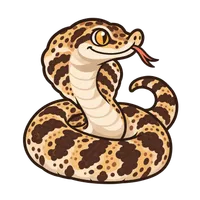
Western hognose snakes are small, stout, upturned-nosed charmers with the personality of a cartoon villain — when startled they flatten into a cobra-like hood, hiss theatrically, and even flip over and “play dead”, tongue lolling. It's all a harmless bluff. They stay small, come in wonderful morphs, and are a fascinating, manageable snake — just respect the fussy-baby feeding and the mild rear-fang.
Worried, or still setting up? Free tools
Or browse common Western Hognose questions →
Care at a glance
| Adult size | Males ~15–20 in; females larger, ~24–36 in |
|---|---|
| Lifespan | 15–20 years |
| Enclosure | Give at least ~1 sq ft of floor per foot of snake. Hatchlings start in ~5–10 gallons; an adult male wants a minimum ~20 gallon, and the larger females a 36×18 in (3×2 ft) footprint or bigger. A secure locking lid and deep substrate to burrow in are essential. |
| Basking / warm zone | Warm/basking surface 90–95°F (32–35°C) from an overhead heat source on a thermostat. |
| Cool side | Cool/mid-range 75–85°F (24–29°C), giving a full gradient with hides on both ends. |
| Night | Night no colder than ~60°F (16°C); ~65°F is a safer minimum. No coloured night bulbs. |
| UVB & lighting | UVB recommended (a fossorial Ferguson Zone 2 species): UVI 2.0–3.0 at the basking spot. Replace yearly. |
| Humidity | Relatively dry: 30–50% is comfortable. If your home is very dry, dampen the cool-side substrate occasionally rather than misting the whole enclosure. |
| Substrate | A deep, dry, burrowable substrate — they are avid diggers. Aspen, or a soil/sand mix, works well. Avoid pine and cedar. |
| Diet | Carnivore — appropriately-sized frozen/thawed rodents (they aren’t strong constrictors, so never live). But an all-rodent diet tends to make hognoses obese; a more varied diet closer to their wild menu (mostly amphibians and reptile eggs) is healthier. Babies are famously fussy and may need prey scented (e.g. with toad/amphibian) to start. |
| Supplements | None needed on a whole-prey diet; occasional calcium if feeding a varied non-rodent diet. |
🦎 Did you know? — Western Hognose fun facts
Little true delights about the western hognose — each one checked against a named source, no pet-shop myths.
- The western hognose’s upturned, shovel-like snout is a purpose-built tool for digging and burrowing through loose, sandy soil. Animal Diversity Web
- When threatened, a western hognose puts on a dramatic bluff — flattening its head, inflating with deep breaths and hissing loudly while striking with its mouth shut. Animal Diversity Web
- If bluffing fails, a western hognose plays dead by flipping belly-up, a display driven by involuntary nervous-system arousal. Animal Diversity Web
What it's like to live with a Western Hognose
For their size, hognose snakes carry more personality than almost any snake in the hobby. The upturned, shovel-shaped snout is for digging, and a hognose will spend much of its time happily burrowed out of sight. They are most famous for a completely theatrical bluff — hissing, flattening the neck into a hood, and even flipping over to "play dead" — which looks alarming but is pure performance, not aggression. They are rear-fanged with very mild venom that is a non-issue for keepers, though worth knowing and respecting.
Your first month together
The settling-in period, in order — so you know what's normal and when not to worry.
- Give it a quiet week or two and expect it to spend most of that time burrowed — a hidden hognose is a content hognose.
- Do not be alarmed by the bluffing display (hissing, hooding, playing dead); it is normal, harmless theatre from a stressed or startled snake.
- Offer the first meal after it has settled; hognose can be picky first feeders and sometimes need prey lightly scented to get started.
- Provide a good depth of loose substrate so it can dig, which is where this species is happiest.
- Begin brief, gentle handling once it is feeding reliably — calm, low, and unhurried.
Through the year, and as they grow
Hognose appetite dips in the cooler months as part of a natural slowdown, and hatchlings in particular can be tricky, hesitant feeders that improve steadily with age and patience. Feed to body condition, keep offering on a normal schedule, and let a healthy, weight-holding snake take food when it is ready.
The pet store gets these wrong
Common myths, kindly corrected — no shame for having believed them.
- “Venomous = dangerous” — hognoses are only mildly rear-fanged (venom evolved for toads); a bite is harmless to most people, though a rare person gets mild local swelling.
- “It’s playing dead / hooding because it’s sick” — no; that’s its famous harmless bluff display.
- “Just feed it mice” — an all-rodent diet drives obesity; vary the diet and don’t overfeed.
Before you buy
- A secure, locking, escape-proof enclosure with deep substrate to burrow.
- Comfort feeding frozen/thawed prey (never live), and patience with a fussy baby.
- Awareness that they’re mildly rear-fanged — harmless to most, but handle calmly.
- A 15–20 year commitment.
💷 The western hognose itself is usually the cheapest part — see the real cost of keeping one (upfront + ongoing, no sales pitch).
See a reptile vet if…
We can't diagnose from afar — but these are the signs to stop watching and get a professional:
- Open-mouth breathing, wheezing, clicking, or mucus/bubbles (possible respiratory infection).
- Regurgitating meals, or refusing food with real weight loss (beyond a normal fussy phase).
- Repeated stuck sheds or retained eye caps.
- Mites (tiny moving specks) or cheesy matter in the mouth (possible mouth rot).
- Obvious obesity — fat with no muscle tone and spread scales (very common on rodent-only diets).
Heading in? Print the free Western Hognose vet-prep sheet — what to bring, what to tell the vet, and the questions to ask.
Never
- Never feed live rodents — use frozen/thawed.
- Never house two together.
- Never use pine or cedar substrate.
- Never handle for ~48 hours after a meal (risk of regurgitation).
- Never assume the hood/hiss/play-dead display is aggression or illness — it’s a bluff.
Common western hognose questions
How hard are Western Hognoses to keep — are they good for beginners?
Beginner. Small, hardy, and endlessly entertaining — with two honest caveats: babies can be fussy feeders, and they’re mildly rear-fanged (harmless to most people, but worth knowing).
What do Western Hognoses eat?
Carnivore — appropriately-sized frozen/thawed rodents (they aren’t strong constrictors, so never live). But an all-rodent diet tends to make hognoses obese; a more varied diet closer to their wild menu (mostly amphibians and reptile eggs) is healthier. Babies are famously fussy and may need prey scented (e.g. with toad/amphibian) to start.
How big an enclosure do Western Hognoses need?
Give at least ~1 sq ft of floor per foot of snake. Hatchlings start in ~5–10 gallons; an adult male wants a minimum ~20 gallon, and the larger females a 36×18 in (3×2 ft) footprint or bigger. A secure locking lid and deep substrate to burrow in are essential.
What basking temperature do Western Hognoses need?
Warm/basking surface 90–95°F (32–35°C) from an overhead heat source on a thermostat.
What should the cool side be for Western Hognoses?
Cool/mid-range 75–85°F (24–29°C), giving a full gradient with hides on both ends.
What night-time temperature do Western Hognoses need?
Night no colder than ~60°F (16°C); ~65°F is a safer minimum. No coloured night bulbs.
What UVB and lighting do Western Hognoses need?
UVB recommended (a fossorial Ferguson Zone 2 species): UVI 2.0–3.0 at the basking spot. Replace yearly.
What humidity do Western Hognoses need?
Relatively dry: 30–50% is comfortable. If your home is very dry, dampen the cool-side substrate occasionally rather than misting the whole enclosure.
What substrate do Western Hognoses need?
A deep, dry, burrowable substrate — they are avid diggers. Aspen, or a soil/sand mix, works well. Avoid pine and cedar.
What supplements do Western Hognoses need?
None needed on a whole-prey diet; occasional calcium if feeding a varied non-rodent diet.
How big do Western Hognoses get?
Males ~15–20 in; females larger, ~24–36 in
How long do Western Hognoses live?
15–20 years
What are the signs Western Hognoses are sick or need a vet?
See a reptile or exotics vet if you notice: Open-mouth breathing, wheezing, clicking, or mucus/bubbles (possible respiratory infection).; Regurgitating meals, or refusing food with real weight loss (beyond a normal fussy phase).; Repeated stuck sheds or retained eye caps.; Mites (tiny moving specks) or cheesy matter in the mouth (possible mouth rot).; Obvious obesity — fat with no muscle tone and spread scales (very common on rodent-only diets)..
Your first two weeks · Taming & handling · Behaviours explained · Won't eat? · Stuck shed · When to see a vet

Get the free Western Hognose Starter Kit
A one-page setup criteria checklist and a first-30-days plan for your first western hognose — what to get, what makes each thing matter, and the honest bits the pet shop skips. Join the den and we’ll send it over.
Free reptile care cheat-sheet the moment you join. No spam — unsubscribe anytime. See how we handle your data in our privacy notice.Sources & further reading
This guide was written and fact-checked against these authorities. It's kind, general guidance — not a diagnosis or a substitute for an exotics vet:
- ReptiFiles — Western Hognose Snake Care — Enclosure ~1 sq ft/ft, basking 90–95°F / mid 75–85°F / night ≥60°F, UVI 2.0–3.0 (Zone 2), humidity 30–50%, F/T feeding + obesity risk + fussy babies, mild rear-fang.
- Association of Reptilian & Amphibian Veterinarians (ARAV) — Find-an-exotics-vet; respiratory infection, mouth rot, obesity.
- Merck Veterinary Manual — reptiles — Respiratory infection, obesity, regurgitation.
Written and fact-checked by The Baskden Team against veterinarian-authored sources — if your reptile shows a red-flag sign above, see an exotics vet promptly.